Home / Products / Outdoor Seating / Outdoor Stackable Steel Chair Black Patio Seating
Outdoor Seating

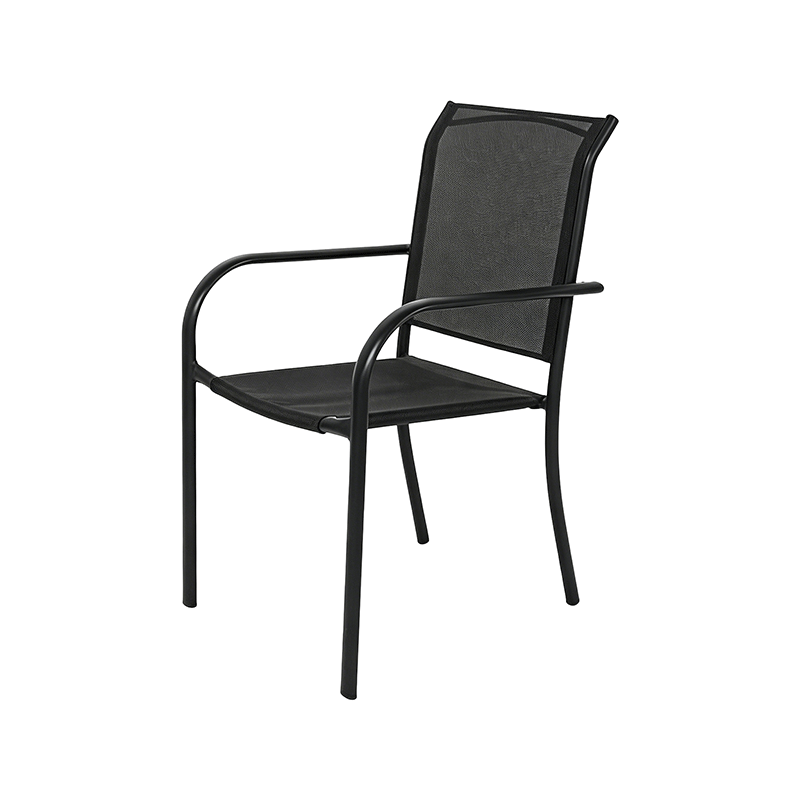
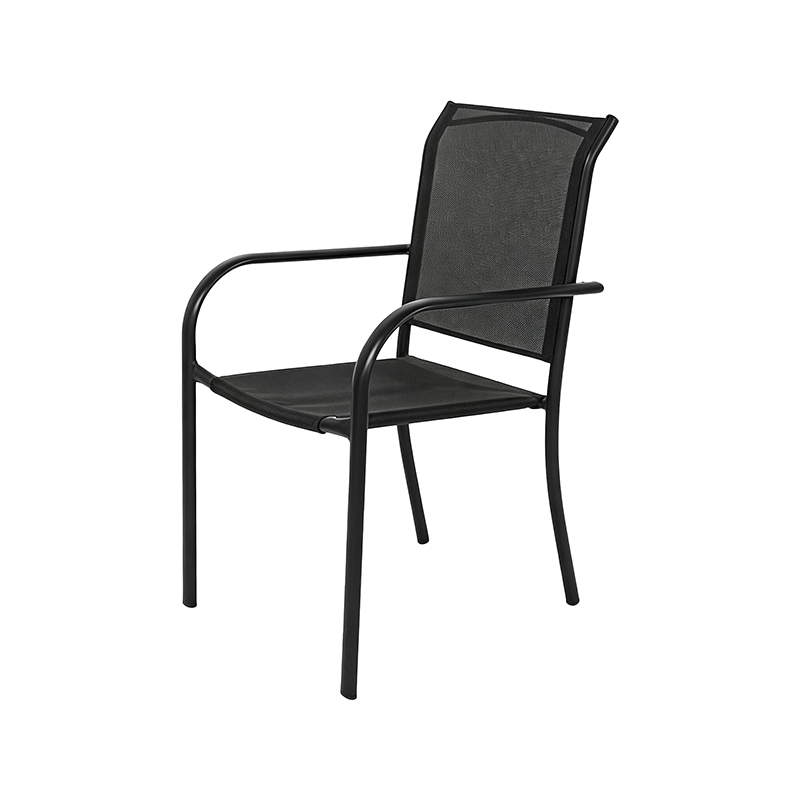
Outdoor Stackable Steel Chair Black Patio Seating

The Outdoor Stackable Steel Chair Black Patio Seating is designed for outdoor dining, leisure, and commercial seating areas where space efficiency and durability are important. Featuring a stackable steel frame and classic black finish, this chair is suitable for patios, gardens, cafés, restaurants, hotels, and event venues.

The stackable design allows multiple chairs to be stored together when not in use, helping reduce warehouse and transportation costs. Its durable steel construction makes it suitable for both residential and high-frequency commercial environments.

Key Performance Highlights: Stackable design for efficient storage; Powder-coated steel frame construction; Classic black finish for versatile applications; Suitable for indoor and outdoor use; Low-maintenance and easy-to-clean surface; Suitable for retail and wholesale distribution.

Contact Us
Specifications
Item Specification Parameter Details
Product Type Outdoor Stackable Chair
Frame Material Powder-Coated Steel
Seat Material Steel Slat / Textilene Optional
Backrest Type Fixed Ergonomic Backrest
Weight Capacity 120–150 kg
Net Weight 4–7 kg
Frame Finish  Outdoor Powder Coating
Color Black / Custom Pantone
Stackable Quantity 4–10 Chairs (Depending on Design)
Packaging Carton / Mail Order Box / Bulk Packing
Applications

This product is widely used across multiple B2B and retail channels:
Outdoor furniture distributors.
Restaurant and café furniture suppliers.
Hotel and resort procurement projects.
Garden furniture wholesalers.
Event rental companies.
Home improvement retailers.
E-commerce furniture brands.
Commercial seating contractors. 

Advantages

Stackable structure helps save up to 60% storage space.
Powder-coated steel frame tested for outdoor durability.
Suitable for high-frequency commercial seating applications.
Easy-to-clean surface reduces maintenance requirements.
Supports private label and retail packaging programs.
Approx. 2,000–3,000 units per 40HQ container.

OEM / ODM Capability

We support full OEM / ODM customization:
Logo printing (frame, label, packaging).
Frame material upgrade (steel / aluminum alloy optional).
Seat and backrest customization.
Stackable structure customization.
Color customization (Pantone matching available).
Retail packaging design (Amazon / Walmart / retail box).
Private label development for distributors and wholesalers. 

MOQ & Delivery Terms

MOQ: 500–1,000 pcs per model.
Sample lead time: 5–7 days.
Mass production lead time: 25–35 days.
OEM orders: 35–45 days depending on customization.
Payment terms: T/T, L/C available for large orders.

Packaging & Shipping

Packaging Type
·Standard export carton
·Bulk packing available
·Retail packaging optional
Shipping Method
·Sea freight (FCL / LCL)
·Air freight for urgent orders
·Express sample shipping (DHL / FedEx / UPS)
Packaging Protection
·Foam corner protection
·Reinforced carton structure
·Anti-scratch protection between stacked chairs
·Drop-test safe packaging (up to 1.2m test standard)

About Us
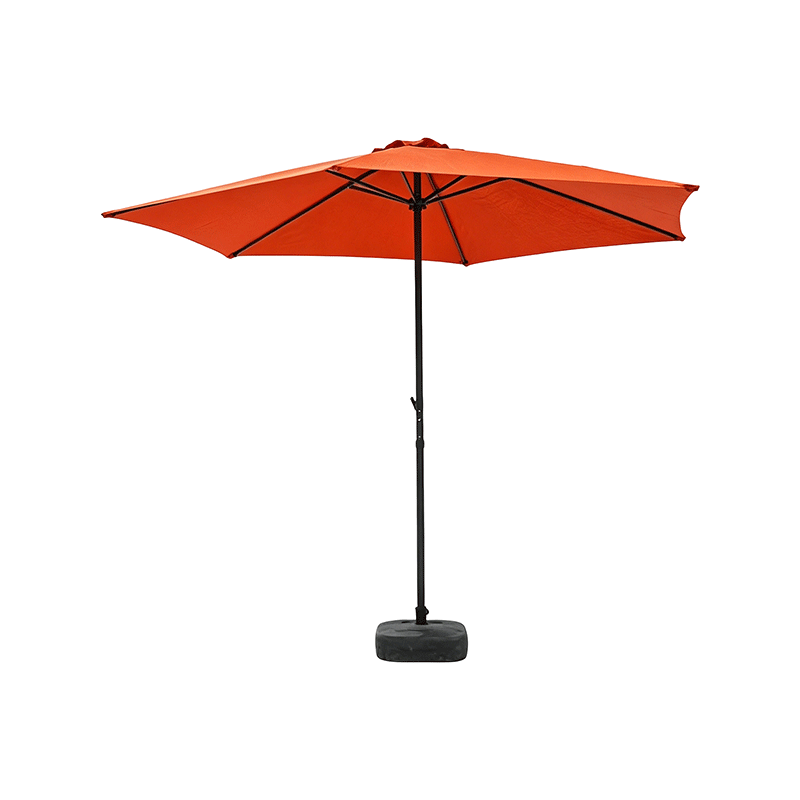
Outdoor Garden Umbrella Red 6 Ribs Patio Use
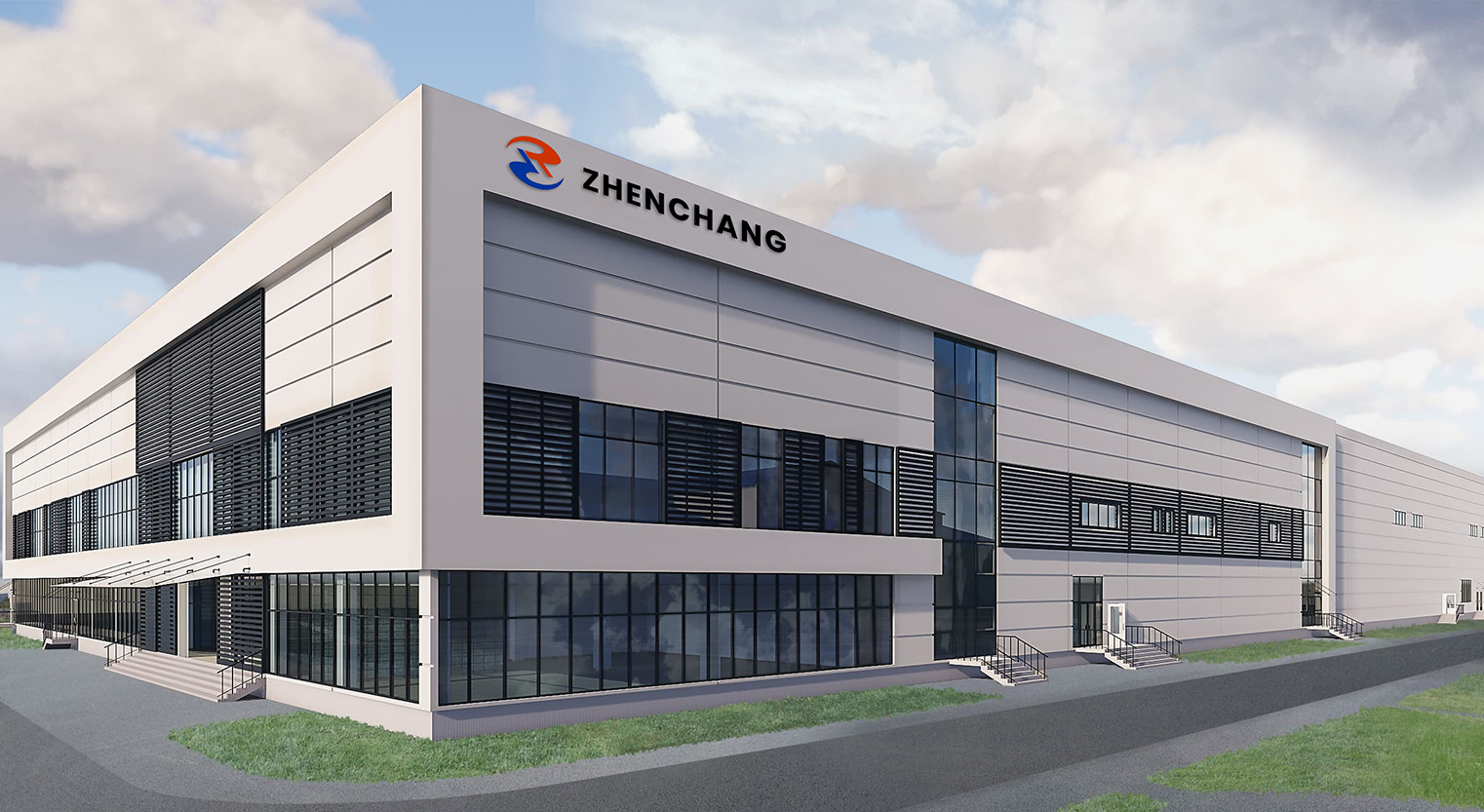
Zhejiang Zhenchang Industry and Trade Co., Ltd.

Zhejiang Zhenchang Industry and Trade Co., Ltd., founded in 2005 and located in Wuyi County, Jinhua City, Zhejiang Province, is a professional manufacturer engaged in the R&D, production, and sales of outdoor leisure products. Its main product range includes camping wagons, folding tables and chairs, beach chairs, camping chairs, recliners, folding beds, and garden furniture. Adhering to the business philosophy of "professional design, precision manufacturing, integrity, efficiency, and high quality," the company exports its products to many countries and regions worldwide, earning the trust of customers both at home and abroad.

News
  • A camping wagon that weighs fifteen kilos is a wagon the camper leaves at home. The lightweight compact version folds into a bag that fits in the trunk next to the cooler. The Lightweight Compact Camping Wagon Exporter is selling the fold, not just the cart. The customer who buys the compact wagon is the one with the small car, the apartment storage, or the hiking trip where every kilo counts. The Fold Is the Product A standard camping wagon folds flat and slides into the trunk. A lightweight compact wagon folds smaller. The frame uses a scissor or a telescoping mechanism that collapses the platform into a package the size of a large duffel. The fabric body wraps around the folded frame or detaches and packs separately. The exporter who sources the compact design has to verify the folded dimensions, not just the open dimensions. The folded size is what the customer compares on the product page. A wagon that folds to a package the customer cannot fit in the car is a return. Where the Weight Comes From The frame is aluminum, not steel. The wheels are smaller and lighter. The fabric is a lighter denier. Every component sheds grams. The lightweight compact camping wagon exporter has to hold the weight saving without losing the load capacity the customer expects. A wagon that carries twenty kilos instead of fifty is a different product. The balance is the design challenge. The aluminum frame has to be thick enough to carry the load and thin enough to stay light. The exporter who works with the frame supplier on the wall thickness and the alloy gets both. The Wheels That Decide Where It Rolls Small hard wheels are light and fold compact. They also sink into sand and jam on roots. The lightweight compact wagon usually runs a medium-diameter wheel with a solid or foam tire. The wheel is lighter than the pneumatic version and does not go flat. The exporter who matches the wheel to the intended terrain serves the customer who rolls the wagon on grass and gravel, not the one who drags it through the sand. The product page has to say which one it is. Here is what the exporter has to deliver: Folded dimensions verified and published Aluminum frame with the right wall thickness Load capacity that matches the lightweight claim Wheels sized for the intended terrain Fabric denier matched to the weight and the durability Carry bag included for the folded wagon Who Buys the Compact Wagon The apartment camper stores the wagon in the closet. The small-car camper fits it in the trunk with the rest of the gear. The festival-goer carries it on the shuttle. The compact wagon serves the customer who values the fold over the big load. The Wagon That Does Not Fit The folded size was measured with the fabric removed and the wheels off. The customer receives it and it does not fit the trunk. The exporter that measures the packed size in the retail configuration prevents the return. A lightweight compact camping wagon exporter sells the fold as much as the cart. The frame sheds the grams. The wheels roll on the right terrain. Choose an exporter that verifies the packed dimensions and holds the load rating.

    READ MORE
  • A private label multi-function camping wagon exporter takes a wagon platform and adapts it to a brand's specification, then ships it under the brand's name. The exporter is not the brand. The exporter is the link between the factory floor and the brand's warehouse. The wagon folds, converts, and carries the gear, and the brand's logo goes on the side. For importers, outdoor retailers, and promotional buyers, the exporter is the supply chain partner who handles the tooling, the packaging, and the export paperwork. What the Exporter Actually Owns The exporter does not own the brand and usually does not own the factory. What the exporter owns is the relationship and the process. The tooling for the wagon platform, the relationship with the fabric and frame suppliers, the sample room, the quality inspection team, and the export documentation desk. That is the business. The brand that tries to go direct to the factory often finds that the factory does not want to handle the small private label run, the custom color, the logo placement, and the retail packaging. The exporter exists because it aggregates those services across multiple brands and makes the small run worth the factory's time. The Sample Is the Contract The production cart has to match the approved sample. The color, the frame gauge, the wheel type, the stitching, the logo position. The exporter that keeps the approved sample on file and checks the production against it protects the brand. The color is the first thing that drifts. The fabric dye lot changes or the powder coat shade shifts. The exporter that controls the dye lots and holds a master color standard keeps the cart matching across the orders. The frame gauge is the second thing. A factory trying to hit a lower price thins the tube. The exporter that measures the frame on the incoming inspection catches it. The Order That Has to Land on Time The retail calendar does not move. The brand orders the wagon for the spring camping season. The exporter has to deliver the container before the season starts. The lead time runs from the sample approval to the shipping date, and the exporter that manages the production schedule and books the vessel on time delivers the goods. The delays happen. The fabric arrives late. The powder coat line backs up. The exporter that communicates the delay early and offers the options keeps the brand's trust. The exporter that goes silent until the ship date loses the account. Here is what the exporter has to deliver: Wagon platform matched to the brand's spec and price point Logo and packaging customization Approved sample kept as the production standard Production schedule held to the delivery date Incoming inspection for the frame, the fabric, and the hardware Export documentation and compliance for the destination market Where the Private Label Wagon Sells Outdoor retailers sell the wagon under their own brand. The store brand competes with the national brands on the shelf. E-commerce sellers use the private label to build a brand without owning a factory. Promotional and corporate buyers order the wagon with the company logo for the employee gift or the event. The Container That Sits at Customs The documentation is wrong, the labeling does not meet the destination requirement, or the safety certificate is missing. The container sits at the port while the brand pays storage and the season passes. The exporter that knows the rules for the destination market prevents it. A private label multi-function camping wagon exporter turns a wagon platform into the brand's product. The spec is the brand's. The execution is the exporter's. Choose an exporter that controls the sample, the schedule, and the paperwork.

    READ MORE
  • A campsite is not next to the parking lot. The tent, the cooler, the firewood, the chairs, the kids' gear. All of it has to move from the car to the site, over gravel, grass, and roots. A heavy duty load outdoor camping wagon manufacturer builds the cart that carries the load. The frame is steel. The fabric is heavy. The wheels are wide enough to roll over soft ground. For outdoor brands, sporting goods retailers, and camping gear buyers, the wagon is the product that turns a family trip into a manageable one. The Frame That Carries the Weight The frame is steel tube, welded or bolted into a rectangular bed. The load capacity runs from 50 to 150 kilos. A heavy duty load outdoor camping wagon manufacturer uses a welded frame with reinforced corners so the wagon does not twist under a full load. The folding mechanism is the second structure. The wagon folds flat for storage and transport. The hinges and the locking braces have to hold the frame open under the load. A heavy duty load outdoor camping wagon manufacturer that tests the locking mechanism through repeated cycles produces a wagon that does not collapse mid-haul. The handle is the pulling interface. It is a telescoping or fixed steel handle with a grip. The handle attaches to the frame at the steering axle. A heavy duty load outdoor camping wagon manufacturer that reinforces the handle connection handles the torque of turning a loaded wagon. The Fabric That Holds the Gear The wagon body is fabric, usually 600D or heavier polyester or nylon with a PVC backing. The fabric has to hold the load without tearing and resist the mud and the moisture. A heavy duty load outdoor camping wagon manufacturer uses double-stitched seams and reinforced corners. The fabric attaches to the frame with sleeves, clips, or a combination. The attachment points take the load. A heavy duty load outdoor camping wagon manufacturer that reinforces the attachment points prevents the fabric from tearing away from the frame. The fabric is removable on many models. The user takes it off to wash it. A heavy duty load outdoor camping wagon manufacturer that makes the fabric easy to remove and reattach serves the user who cleans the wagon after every trip. The Wheels That Roll Over Anything The wheels are the part that decides where the wagon can go. Small hard wheels sink into sand and jam on roots. Wide pneumatic or foam-filled wheels roll over the rough ground. A heavy duty load outdoor camping wagon manufacturer fits the wagon with wheels matched to the terrain. The wheel diameter matters. Larger wheels roll over obstacles. Smaller wheels turn tighter. A heavy duty load outdoor camping wagon manufacturer balances the two for the typical campsite. The axle and the bearings take the load. A heavy duty load outdoor camping wagon manufacturer uses sealed bearings and a solid axle so the wheels do not wobble under the weight. Here is what a heavy duty load outdoor camping wagon manufacturer needs to deliver: Welded steel frame with reinforced corners Locking mechanism that holds the frame open under load 600D or heavier fabric with double-stitched seams Reinforced fabric attachment points Wide pneumatic or foam-filled wheels Sealed bearings and a solid axle Where the Wagon Goes Family camping trips use the wagon to haul the gear from the car to the site. The wagon rolls over the grass and the gravel. A heavy duty load outdoor camping wagon manufacturer that builds for the family market makes the wagon easy to pull and easy to fold. Festival and event camping use the wagon for the same job on a larger scale. The load is heavier. The ground is rougher. The garden and the yard use the wagon for the soil, the plants, and the tools. A heavy duty load outdoor camping wagon manufacturer that builds for the multi-purpose use makes the wagon that lives in the garage. What Fails on a Cheap Wagon The frame twists under the load because the corners were not reinforced. A heavy duty load outdoor camping wagon manufacturer with a welded frame prevents it. The fabric tears at the attachment because the seams were single-stitched. Double stitching holds. The wheels wobble because the bearings were not sealed. Sealed bearings hold. The handle bends because the connection was weak. A heavy duty load outdoor camping wagon manufacturer builds the cart that carries the camp. The frame holds. The fabric holds. The wheels roll. Choose a manufacturer that tests the frame and the fabric under load. The gear moves to the site and back.

    READ MORE
  • An outdoor brand wants a folding camping cart in its catalog. It does not want to build the factory. It wants a supplier who can take the brand's colors, its logo, its packaging, and its target price and turn that into a finished cart that ships under the brand's name. An OEM custom outdoor folding camping cart factory does exactly that. The factory owns the tooling, the fabric cutting, and the assembly. The brand owns the customer. The Brand Supplies the Spec, the Factory Supplies the Cart The OEM relationship starts with the brand's requirements. The load capacity, the folded size, the wheel type, the fabric color, the logo placement, the packaging. The factory builds the cart to that spec and marks it with the brand's name. The customer who buys the cart never knows which factory made it. They know the brand on the box. An OEM custom outdoor folding camping cart factory has to hold the spec across the production runs. The second order has to match the first. The color has to match from one container to the next. A factory that cannot hold the color and the dimensions turns the brand's catalog item into a quality complaint. The Tooling Belongs to the Factory, the Design Belongs to the Brand Most OEM arrangements work one of two ways. The factory owns a catalog of existing cart designs and the brand picks one and adds its colors and logo. Or the brand brings a new design and the factory builds the tooling for it. The first is faster and cheaper. The second gives the brand something unique. An OEM custom outdoor folding camping cart factory that offers both serves the brand that wants a fast entry and the brand that wants its own look. The tooling cost is amortized over the order quantity. The brand that orders enough units gets the exclusive design. The Customization Is More Than the Logo The color is the visible customization. The fabric, the frame, the wheels, and the packaging can all change. The brand that wants a cart that matches its other products specifies the color and the material. The factory that can source the fabric and the powder coat in the brand's color delivers the matched set. The logo goes on the fabric, the frame, or the packaging. A printed fabric panel is the common option. A debossed or printed logo on the frame is the premium option. The factory that handles the decoration in-house controls the quality and the lead time. Here is what an OEM custom outdoor folding camping cart factory has to deliver: Cart built to the brand's spec Consistent color and dimensions across the production runs Tooling options for the catalog design or the custom design Fabric, frame, wheel, and packaging customization In-house decoration for the logo Packaging that carries the brand The Brand That Sells the Cart The outdoor brand sells the cart through its own channels. The cart has to look like the brand and perform like the brand promises. The factory that holds the quality protects the brand. The promotional market orders the cart with the corporate logo. The cart is the gift or the event giveaway. The factory that handles the small custom run serves the promotional buyer. The retailer private labels the cart. The store brand goes on the box. The factory that runs the private label program supplies the retailer. What Fails in an OEM Relationship The color drifts between the orders. The brand's catalog item does not match the next shipment. A factory that controls the dye lots and the powder coat holds the color. The dimensions drift and the cart does not fit the packaging. A factory that holds the tolerance prevents it. The logo peels because the decoration was outsourced. A factory that decorates in-house controls the quality. An OEM custom outdoor folding camping cart factory builds the cart the brand puts its name on. The spec is the brand's. The quality is the factory's. Choose a factory that holds the color, the dimensions, and the decoration.

    READ MORE
  • Driven by global carbon reduction goals, the outdoor leisure products industry is accelerating its transition toward green manufacturing. Industry observers note that an increasing number of domestic and international buyers are incorporating environmental certifications and material recyclability into their supplier evaluation systems, making green competitiveness a new advantage for outdoor companies in market development. On the materials front, the application of eco-friendly materials such as recyclable polymer composites, low-VOC coatings, and FSC-certified wood is expanding. On the process front, energy-efficient production, reduced packaging waste, and optimized logistics carbon footprints are also receiving attention from manufacturers. Industry analysts believe that companies that take the lead in establishing green manufacturing systems and developing capabilities in eco-friendly material applications will secure more international orders in future market competition. Zhejiang Zhenchang Industry and Trade Co., Ltd. stated that it will continue to monitor developments in eco-friendly materials and green processes, actively respond to the industry's sustainability trends, and provide customers with more environmentally responsible and durable outdoor leisure products.

    READ MORE
  • As the camping economy continues to heat up in recent years, consumer demand for outdoor equipment has been upgrading from "basic functionality" to "lightweight portability" and "multi-functional integration." Industry data shows that the domestic camping equipment market grew by over 20% year-on-year in 2025, with camping wagons, folding tables and chairs, and portable carts seeing particularly significant growth. To adapt to this trend, an increasing number of manufacturers are increasing their R&D investments. Innovative designs such as lightweight aluminum alloy frames, quick-folding structures, and multi-purpose carts have become new market favorites. Industry insiders point out that while the outdoor sector has many participants, there is still ample room for differentiated products. Companies with customization capabilities and end-to-end quality control systems will have an advantage in market competition. Zhejiang Zhenchang Industry and Trade Co., Ltd., a professional manufacturer in this field, has been continuously optimizing its product lines in recent years. Its folding tables and chairs, camping wagons, and other products have gained positive feedback in both domestic and international markets due to their stable quality and flexible customization services.

    READ MORE
  • Zhejiang Zhenchang Industry and Trade Co., Ltd. recently passed its annual factory audit conducted by a leading international third-party inspection agency, receiving high praise for its quality management system, production processes, and environmental compliance. Backed by stable product quality and efficient service responsiveness, the company has secured multiple repeat orders and annual contract renewals from longstanding European and American clients. Since its establishment, Zhenchang has adhered to its business philosophy of "professional design, precision manufacturing, integrity, efficiency, and high quality," implementing strict quality control at every stage from raw material intake to finished product shipment. Its camping wagons, folding tables and chairs, beach chairs, and other products have earned the trust of overseas customers due to their excellent durability and safety standards. The company stated that it will continue to optimize its quality control processes to deliver more competitive outdoor leisure products to global customers.

    READ MORE
  • Since the beginning of this year, Zhejiang Zhenchang Industry and Trade Co., Ltd. has maintained full-capacity operations across its production lines. The company's assembly lines for folding tables, camping wagons, and outdoor chairs are operating efficiently, with a stable daily output of over 3,000 units. According to the production department, orders have been booked through the third quarter of this year, with robust growth in both domestic and international demand. To meet rising market demand, Zhenchang has launched a new round of capacity optimization initiatives, including intelligent production upgrades and workforce training, to further improve delivery efficiency and ensure on-time delivery of peak-season orders. "We are confident in achieving our annual sales growth target," said a company representative.

    READ MORE