

 English

 English
 Español

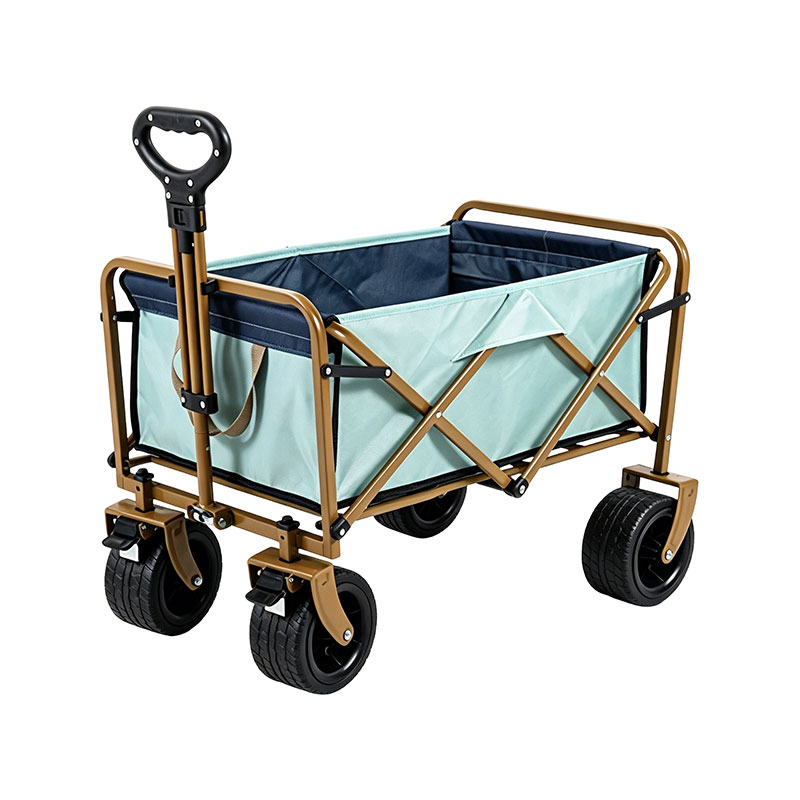
A private label multi-function camping wagon exporter takes a wagon platform and adapts it to a brand's specification, then ships it under the brand's name. The exporter is not the brand. The exporter is the link between the factory floor and the brand's warehouse. The wagon folds, converts, and carries the gear, and the brand's logo goes on the side. For importers, outdoor retailers, and promotional buyers, the exporter is the supply chain partner who handles the tooling, the packaging, and the export paperwork.
What the Exporter Actually Owns
The exporter does not own the brand and usually does not own the factory. What the exporter owns is the relationship and the process. The tooling for the wagon platform, the relationship with the fabric and frame suppliers, the sample room, the quality inspection team, and the export documentation desk. That is the business.
The brand that tries to go direct to the factory often finds that the factory does not want to handle the small private label run, the custom color, the logo placement, and the retail packaging. The exporter exists because it aggregates those services across multiple brands and makes the small run worth the factory's time.
The Sample Is the Contract
The production cart has to match the approved sample. The color, the frame gauge, the wheel type, the stitching, the logo position. The exporter that keeps the approved sample on file and checks the production against it protects the brand.
The color is the first thing that drifts. The fabric dye lot changes or the powder coat shade shifts. The exporter that controls the dye lots and holds a master color standard keeps the cart matching across the orders. The frame gauge is the second thing. A factory trying to hit a lower price thins the tube. The exporter that measures the frame on the incoming inspection catches it.
The Order That Has to Land on Time
The retail calendar does not move. The brand orders the wagon for the spring camping season. The exporter has to deliver the container before the season starts. The lead time runs from the sample approval to the shipping date, and the exporter that manages the production schedule and books the vessel on time delivers the goods.
The delays happen. The fabric arrives late. The powder coat line backs up. The exporter that communicates the delay early and offers the options keeps the brand's trust. The exporter that goes silent until the ship date loses the account.
Here is what the exporter has to deliver:
- Wagon platform matched to the brand's spec and price point
- Logo and packaging customization
- Approved sample kept as the production standard
- Production schedule held to the delivery date
- Incoming inspection for the frame, the fabric, and the hardware
- Export documentation and compliance for the destination market
Where the Private Label Wagon Sells
Outdoor retailers sell the wagon under their own brand. The store brand competes with the national brands on the shelf. E-commerce sellers use the private label to build a brand without owning a factory. Promotional and corporate buyers order the wagon with the company logo for the employee gift or the event.
The Container That Sits at Customs
The documentation is wrong, the labeling does not meet the destination requirement, or the safety certificate is missing. The container sits at the port while the brand pays storage and the season passes. The exporter that knows the rules for the destination market prevents it.
A private label multi-function camping wagon exporter turns a wagon platform into the brand's product. The spec is the brand's. The execution is the exporter's. Choose an exporter that controls the sample, the schedule, and the paperwork.
 Previous